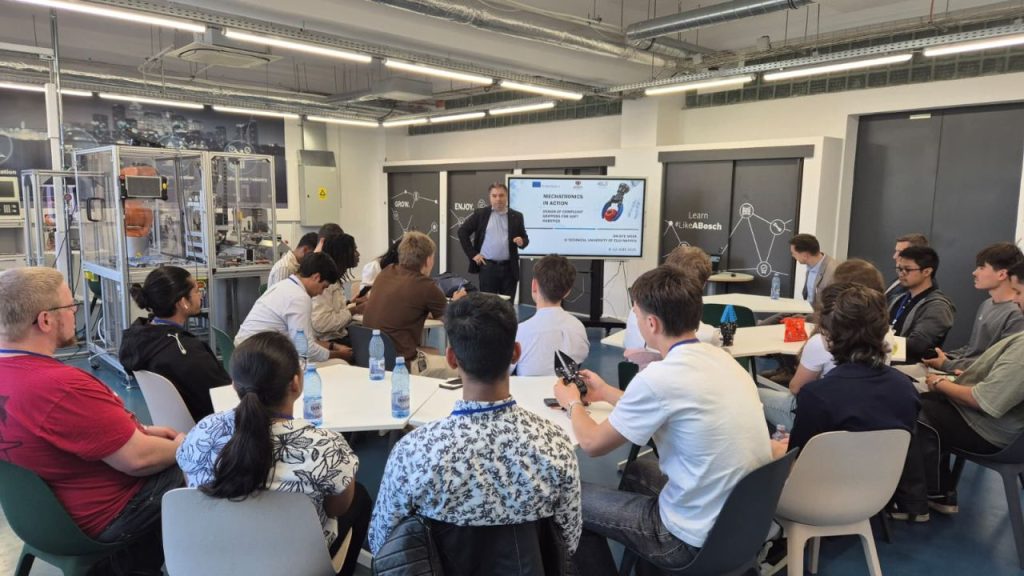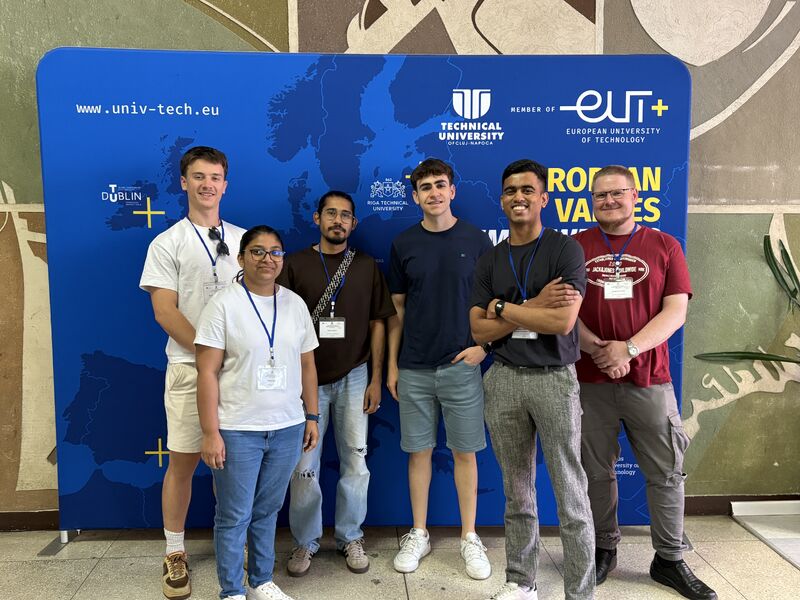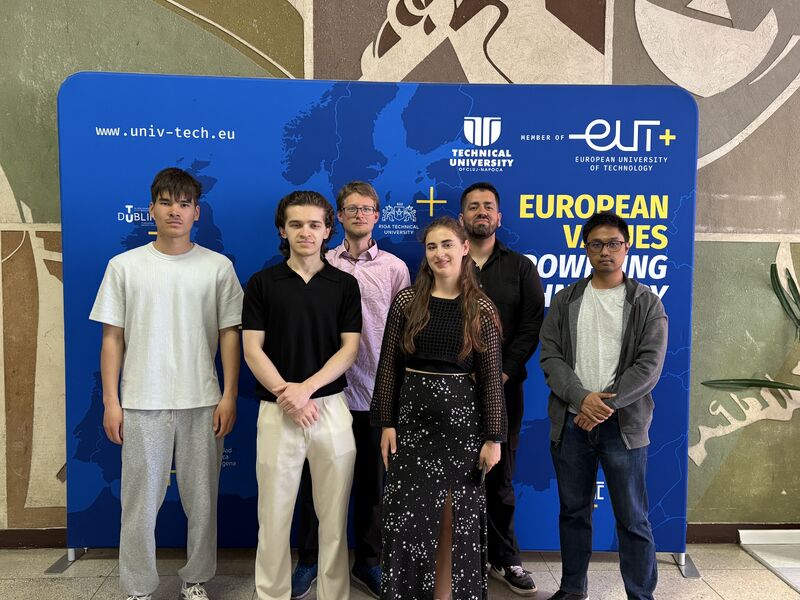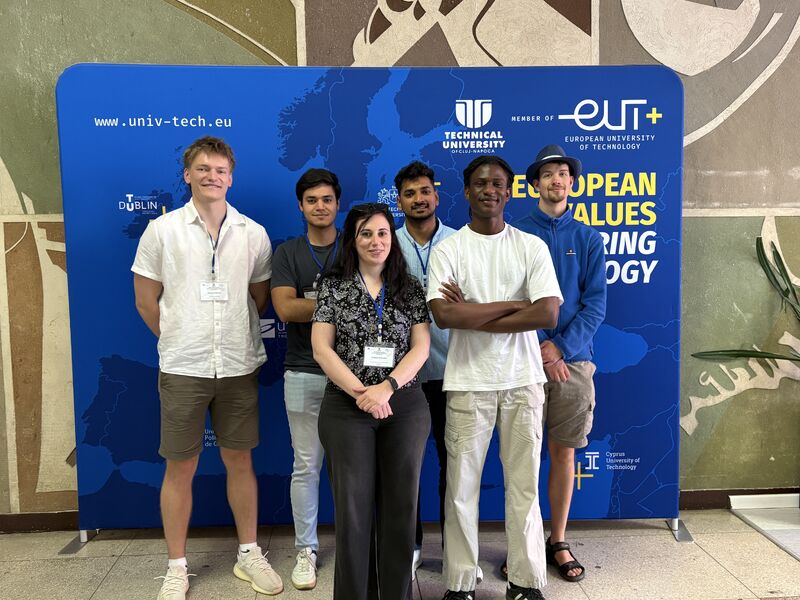
One of the key objectives of the Erasmus+ NextGEng project is to ensure that its educational innovations continue to create value beyond the project’s lifetime. The recently completed Erasmus+ Blended Intensive Programme (BIP) “Mechatronics in Action: Design of Compliant Grippers for Soft Robotics” represents an excellent example of this sustainability in practice.
The programme was organized by the Technical University of Cluj-Napoca (UTCN) through the Intelligent Mechatronic Systems (IMS) Laboratory, in collaboration with the Department of Mechatronics and Machine Dynamics and the Department of Mechanical Engineering.
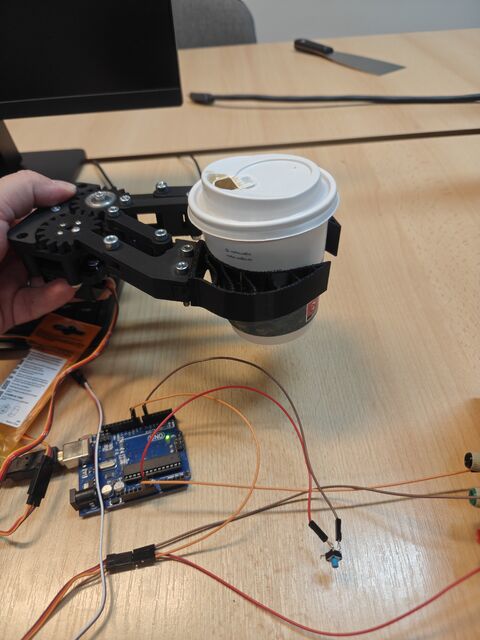
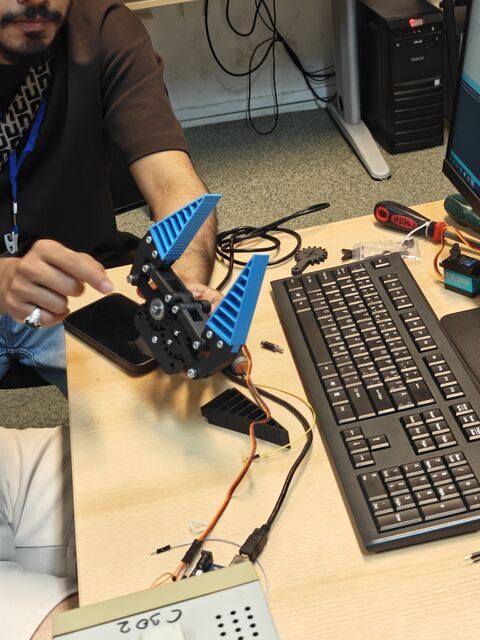
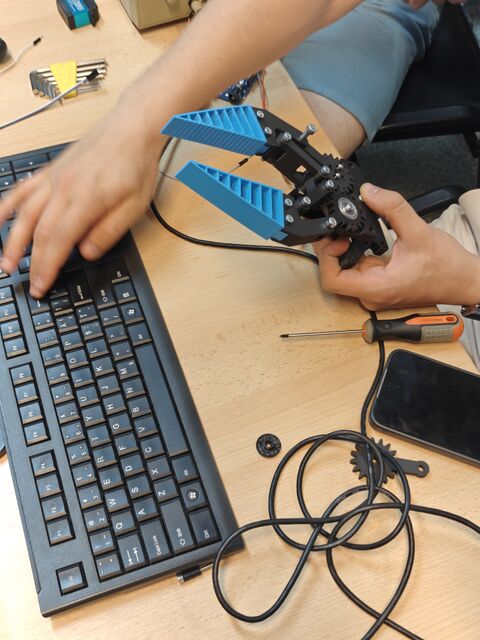
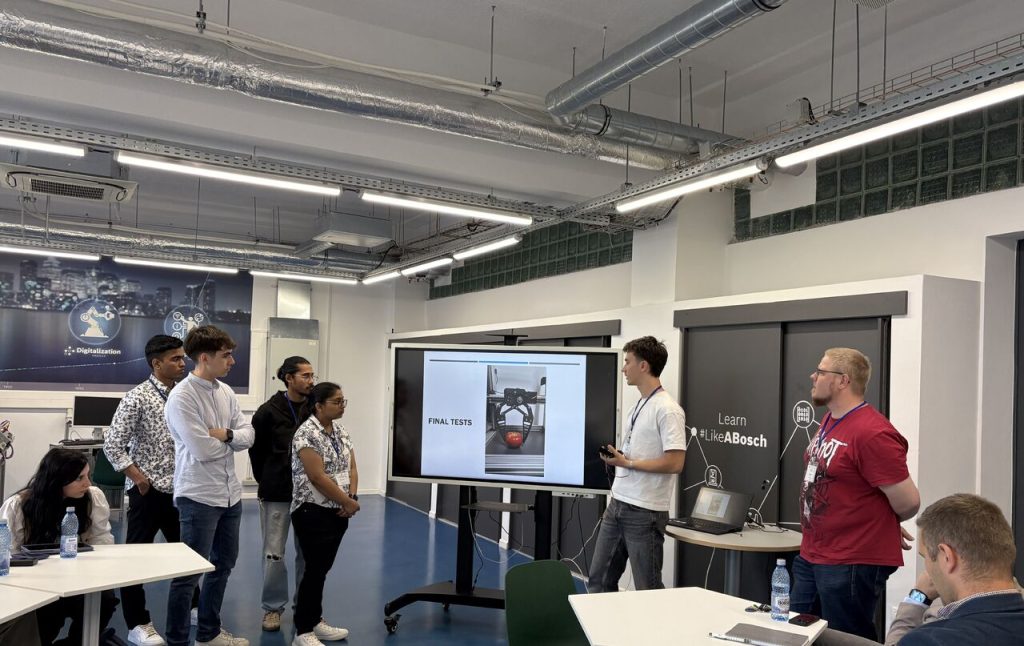
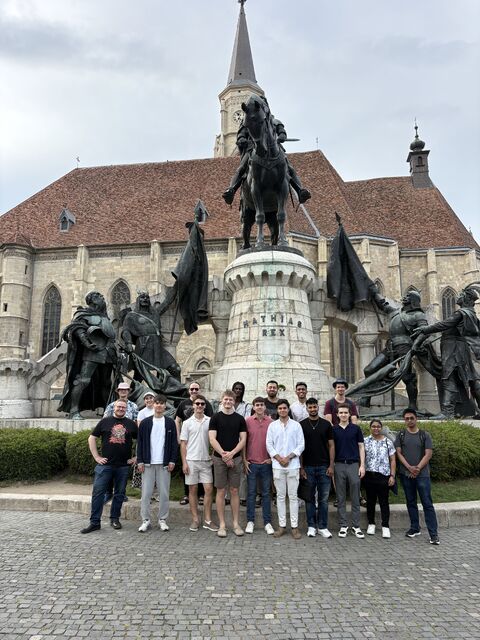
The BIP brought together students and academic staff from six European universities in a blended learning experience that combined online instruction with an intensive hands-on week focused on the design, simulation, additive manufacturing, and experimental validation of compliant robotic grippers.
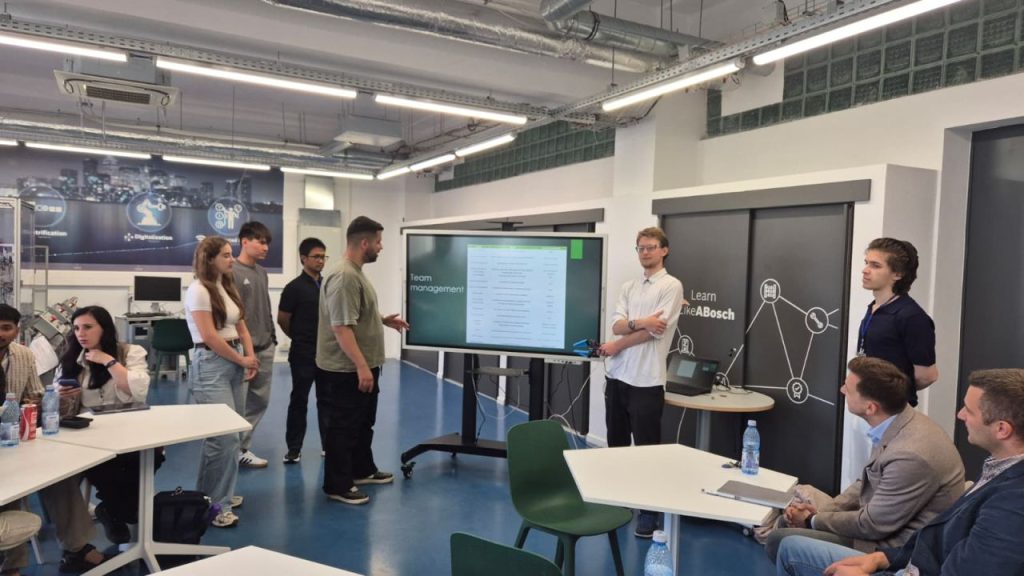
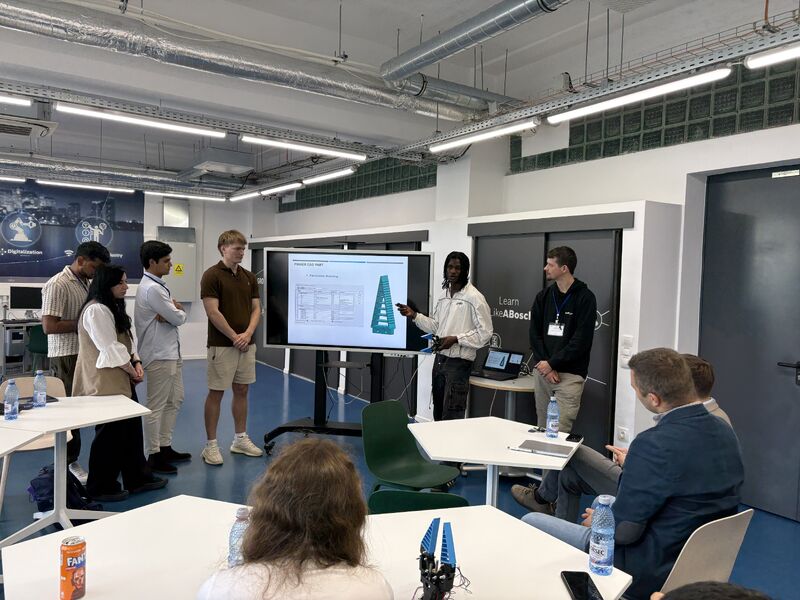
Building upon the NextGEng Cases for Experiential Learning (CEL) methodology, participants addressed a real engineering challenge by working in international multidisciplinary teams. Throughout the programme, students designed, manufactured, integrated, and experimentally validated functional mechatronic prototypes, while strengthening both their technical competencies and essential transversal skills, including teamwork, communication, and problem-solving.
The successful implementation of this BIP demonstrates how the educational methodologies and pedagogical principles developed within NextGEng continue to support innovative engineering education beyond the project’s duration. It also highlights the potential of the CEL approach to be transferred to new educational contexts, fostering international collaboration, project-based learning, and experiential engineering education across European higher education institutions.
Congratulations to all students, academic staff, and partner universities who contributed to the success of this initiative.